▶ Watch the full iGenics video review before deciding
Health Reviews Labs Verdict
For macular degeneration specifically, iGenics is one of the few supplements formulated to match the AREDS-2 protocol — the only nutritional combination with strong clinical evidence behind it. Stabilization, not reversal, is the realistic and achievable goal.
Macular Degeneration After 50: What's Actually Happening
Age-related macular degeneration (AMD) involves deterioration of the macula — the central part of the retina responsible for sharp, detailed vision. After 50, the risk increases substantially due to decades of cumulative oxidative stress and declining macular pigment density. Symptoms typically progress gradually: blurred central vision, difficulty recognizing faces, and dark or empty areas in the center of your visual field.
There is currently no pharmaceutical cure for early or intermediate AMD. This is precisely why nutritional intervention through clinically validated formulas like AREDS-2 has become the standard recommendation from ophthalmologists for at-risk patients.
How iGenics Targets Macular Degeneration Specifically
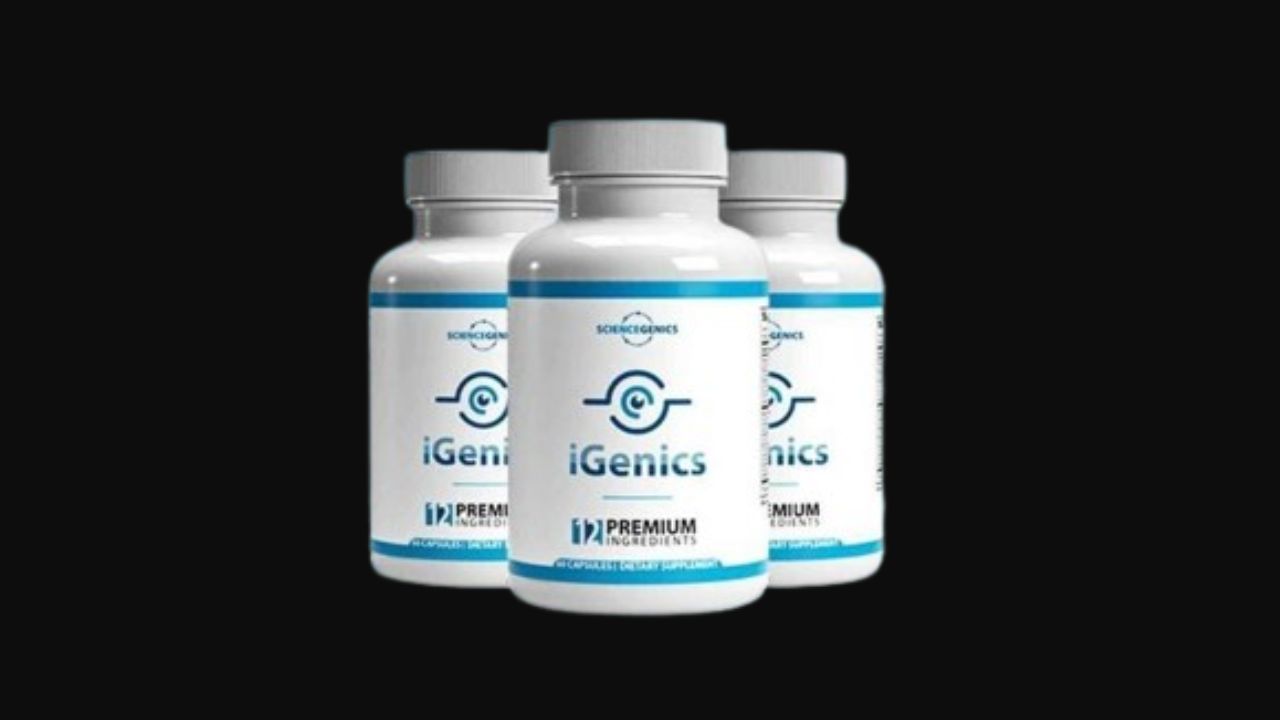
Macular pigment density — made up primarily of Lutein and Zeaxanthin — naturally decreases with age, reducing the macula's protective capacity against blue light and oxidative damage. iGenics provides Lutein at 20mg, double the AREDS-2 studied dose of 10mg, alongside Zeaxanthin at the exact 2mg AREDS-2 dose.
The 2013 AREDS-2 trial, published in JAMA, followed over 4,000 participants with intermediate AMD and found that the Lutein/Zeaxanthin combination reduced the risk of progressing to advanced AMD by 25% over five years, with even stronger benefits in participants who had low dietary intake of these carotenoids beforehand.
iGenics extends past the original AREDS-2 formula with Bilberry Extract (480mg) for improved retinal blood flow, and Saffron, which research published in Investigative Ophthalmology & Visual Science has linked to measurable improvements in visual function specifically in AMD patients.
Realistic Timeline for Macular Degeneration
It's important to set accurate expectations. Most users report subjective improvements — less eye strain, reduced glare sensitivity, easier reading — within 4 to 6 weeks. These early changes reflect reduced oxidative stress and improved blood flow, not structural reversal of macular damage.
Actual stabilization of macular degeneration progression is something only an eye care professional can properly assess, typically through retinal imaging at follow-up visits spaced 6 months apart. The AREDS-2 trial itself measured outcomes over a 5-year period — this is a long-term maintenance strategy, not a quick fix.
Who Should Consider iGenics for Macular Degeneration
✅ Good Fit If You:
- Have been diagnosed with early or intermediate AMD
- Have a family history of macular degeneration
- Are over 50 with declining central vision clarity
- Want a clinically-grounded preventive approach
❌ Not a Fit If You:
- Expect reversal of advanced AMD damage
- Have wet AMD requiring injections (consult your doctor first)
- Want results within days rather than months
See the Full AREDS-2 Formula in Action
12 Ingredients · Clinically Relevant Doses · Vegan · Zero Fillers
→ Visit Official iGenics Website